
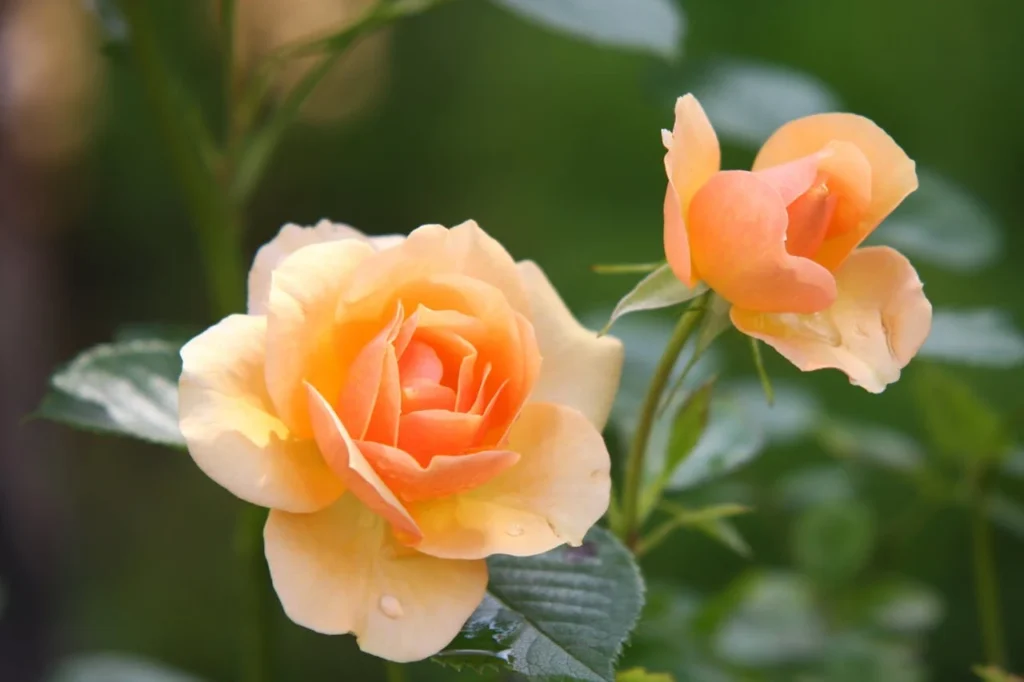
Introduction: Why Flowers Still Matter in a Digital World
Let’s be honest. Buying flowers can feel complicated. We’ve all stood in the grocery store aisle, looking at those mixed bouquets and wondering, “Is this romantic enough?” or “Am I sending the wrong message?” You shouldn’t need a PhD in botany just to choose a decent gift. You just need a little guidance.
Flowers are the ultimate low-tech way to communicate emotion. A thoughtful bouquet says something a text message or emoji simply can’t. They are temporary, which is why they feel so special—they mark the moment. It’s an act of effort in a world obsessed with speed.
This guide cuts through the confusion and elevates your gifting game instantly. We are going to make you an expert in the art of flower gifting. Forget the stress of searching for “what flower means what.” We will cover the hidden language of floriography, show you how to navigate every major holiday (and the price spikes that come with them), teach you the simple steps to keep those blooms fresh for weeks, and even tell you how to talk to your florist so you always get what you paid for.
Ready to make your next floral gift genuinely memorable? Let’s start with the why.
1. Emotional Impact of Floriography: The Hidden Language of Flowers
You don’t have to memorize a dictionary of 1,000 flower meanings, but knowing the basics of floriography—the language of flowers—can turn a nice gesture into a powerful, intentional statement. It’s the difference between saying “I bought these because they were on sale” and “I chose these because they speak directly to my admiration for you.”
The Power of Color: Don’t Get It Wrong
Color carries more weight than the type of flower itself. It’s the first thing the recipient sees and the first signal of your intent.
| Color | Core Meaning | When to Use It | When to Be Careful |
|---|---|---|---|
| Red | Undeniable passion, deep, romantic love, and respect. | Anniversaries, Valentine’s Day, or expressing intense, romantic admiration. | Avoid sending deep red to a new acquaintance or platonic friend; it can be misinterpreted. |
| Pink | Grace, joy, happiness, gentle admiration, and gratitude. | Mother’s Day, new babies, thanking a colleague, or sending a message of light cheer. | Pink is the versatile workhorse—it’s rarely a mistake. |
| Yellow | Friendship, happiness, and cheer. | Celebrating platonic success, lifting spirits, sending a general dose of joy. | Traditionally, yellow can mean jealousy or dying love. Always pair yellow with a modern, cheerful message to confirm the intent is purely platonic joy. |
| White | Purity, innocence, sympathy, and new beginnings. | Funerals, weddings, new babies, or celebrating a new home. | White is always appropriate when you want to send a calm, clean, respectful message. |
| Purple | Admiration, dignity, pride, and success. | Perfect for congratulations (graduations, new jobs, promotions) or expressing high esteem and luxury. | None. Purple is a safe, sophisticated choice for non-romantic gifting. |
| Orange | Enthusiasm, excitement, and desire. | Great for sending a fun, energetic message or saying, “I’m excited to see what happens next!” | Use sparingly in formal settings; orange is inherently casual and vibrant. |
The 3 Core Feelings Flowers Convey
When you’re stuck and can’t remember the exact meaning of a specific bloom, just remember these three emotional categories. Your bouquet should clearly fit one of these buckets.
- Celebration / Joy: You are marking a happy milestone. These bouquets should be loud and vibrant. Think bright, saturated colors and energetic flower shapes like sunflowers, tulips, and daisies. You’re sending happiness and excitement.
- Affection / Romance: You are showing deep personal regard. These bouquets should be soft, rich, or classic. Think soft hues, deep reds, and rounded, lush shapes like roses, peonies, and hydrangeas. You’re sending love or profound admiration.
- Comfort / Respect: You are acknowledging a difficult or serious situation. These bouquets should be calming and reverent. Think white, green, and deep purple. Use classic, dignified flowers like lilies, white carnations, and traditional arrangements that convey sympathy and reverence.
2. Year-Round Gifting Calendar: Navigating the Seasons and the Price Spikes
Flower prices jump when demand spikes. It’s simple supply and demand. Knowing the key flower holidays is essential for budgeting and planning. Remember, truly thoughtful gifting often happens outside of these times.
The Big Three (Plan Ahead and Be Smart)
These three holidays are the busiest and most expensive times to buy flowers. Prepare for higher prices and earlier ordering deadlines.
1. Valentine’s Day (Feb 14)
- The Problem: Demand for red roses is astronomical, pushing prices up 200-300%. Delivery logistics are chaotic.
- The Smart Strategy: Order at least 7–10 days early. Better yet, choose a beautiful alternative. Deep pink, burgundy, or mixed arrangements using pink Tulips or fragrant Lilies are just as romantic, and the price is often lower.
- The Intent: Deep romantic love.
2. Mother’s Day (Second Sunday in May)
- The Problem: A massive spike in demand. The traditional Mother’s Day flower is the Carnation (meaning pure love and gratitude), but many people opt for more showy blooms.
- The Smart Strategy: Skip the Saturday delivery rush and try delivering on the Thursday or Friday before. This avoids delivery fees and guarantees freshness. Lilacs and Peonies, if in season, are elegant, thoughtful choices.
- The Intent: Gratitude, admiration, and honoring motherhood.
3. Christmas / New Year’s
- The Problem: Poinsettias dominate the market, but cut flowers are still popular for holiday parties and home decor.
- The Smart Strategy: Focus on local arrangements using greenery, berries, and pinecones for a longer-lasting, seasonal look. If you opt for cut flowers, deep red and white themes using Amaryllis, white Lilies, or deep red Carnations feel festive and sophisticated.
- The Intent: Cheer, celebration, and festive warmth.
The Power of Off-Season Gifting: Use the Seasons!
The most impactful flowers are often given when they aren’t expected. Using the season ensures quality and usually saves you money.
| Season | Best Bets (Cheap & Abundant) | Gifting Occasions |
|---|---|---|
| Spring (March – May) | Tulips, Daffodils, Hyacinths, Irises. | “Thinking of you” gifts, housewarmings, or cheering someone up after a long winter. |
| Summer (June – August) | Sunflowers, Hydrangeas, Gladiolus, Zinnias. | Casual gatherings, outdoor parties, or gifts for teachers and mentors. |
| Fall (Sept – Nov) | Chrysanthemums (Mums), ornamental kale, dried grasses, Dahlias. | Hostess gifts for holiday dinners, expressing gratitude, or seasonal home decor. |
| Winter (Dec – Feb) | Amaryllis, Paperwhites, Camellias. | Any gift that brightens up a dark day. Highly appreciated because they’re rare! |
3. Bouquet Care 101: Keeping Them Fresh for 10+ Days
Nothing kills the mood faster than a bouquet that starts drooping after 48 hours. The secret to longevity isn’t luck; it’s proper care immediately after you receive them. If you are the recipient, this simple three-step ritual is crucial.
Step 1: The Critical First Clip
The cut end of the stem seals over quickly once out of water. This creates an “air lock,” preventing the flower from drinking efficiently.
- The Angle: Use clean, sharp shears (kitchen scissors work, but dedicated shears are better). Cut at a 45-degree angle. This maximizes the surface area for water absorption and prevents the stem from resting flat on the bottom of the vase, which blocks water uptake.
- The Location: Do this under running water. Cutting underwater prevents air bubbles from being sucked up into the stem. Those bubbles cause the dreaded air lock, which is the number one cause of premature wilting.
Step 2: The Water and the Food Recipe
The old wives’ tales about coins, soda, and aspirin are mostly junk. Focus on the basics: clean water and proper food.
- The Water: Use cool, clean tap water. Change the water entirely every two days. Bacteria is the number one enemy of cut flowers, and dirty, cloudy water is a bacterial feast that clogs the stems.
- The Food: Always use the included packet of flower food. It contains three things the flowers desperately need:
- Sugar (Carbohydrates): To feed the bloom and keep it vibrant.
- A Mild Acid (Citric Acid): To lower the pH of the water, which helps the stem absorb water faster.
- A Biocide (Often Bleach): To kill the bacteria trying to clog the stem ends.
Step 3: Location, Location, Location (The Ethylene Rule)
Where you place the vase matters just as much as what’s in the water.
- Avoid Heat and Light: Never put flowers on a windowsill in direct sun, near a radiator, or next to the stove. They will “cook,” dry out immediately, and die fast. Cool is key.
- Avoid Fruit: This is crucial. Fruit, especially ripening bananas, apples, and tomatoes, releases ethylene gas. Ethylene is a natural plant hormone that tells flowers to mature and die quickly. Keep your vase far away from the fruit bowl!
- Keep the Leaves Up: Submerged leaves will rot instantly and create a bacterial soup in your vase. Make sure you strip all leaves that sit below the water line when preparing your arrangement.
4. How to Talk to Your Florist: Guaranteeing You Get What You Want
Walking into a professional flower shop or calling a designer can feel intimidating. They speak a different language, and it’s easy to walk out with an arrangement you didn’t actually want. Use this guide to communicate clearly and confidently.
Skip the Clichés and Speak in Action
Don’t just ask for “something nice” or “a spring mix.” Florists are artists; give them a clear brief using color, mood, and placement.
| Instead of… | Say This Instead… | Why It Works |
|---|---|---|
| “A romantic bouquet.” | “I want something in the deep pink and cream family. It needs to feel soft, lush, and slightly cascading.” | Defines color, texture, and style, giving the florist creative, focused space. |
| “Just whatever is fresh.” | “I need a durable arrangement for a bright office area that gets warm. What flowers do you have that hold up best in heat, like Zinnias or Alstroemeria?” | Defines the environment, allowing them to recommend durable, long-lasting blooms. |
| “Something for Christmas.” | “I’m looking for a low, dense arrangement for a small dining room table centerpiece. I want it to be mostly white and green, with subtle red berries.” | Defines the use-case (centerpiece) and the color palette/size, not just the holiday. |
The Power of Substitution (and Your Safeguard)
When a florist says, “We may have to substitute flowers,” don’t panic. It is a seasonal, perishable product; something may have died or failed to arrive.
- Your Rule: Tell them you are okay with substitution only if they maintain the Color, Mood, and Value.
- Example: “If you don’t have pink Peonies, please substitute with a flower that delivers the same soft pink color and high-end, ruffled texture, like a premium Garden Rose. Please do not substitute with a standard Carnation.”
The Delivery Details
Always verify three things for delivery to avoid disappointment:
- Recipient’s Phone Number: Give the florist your number, but make sure they have the recipient’s number in case they can’t get inside the building, the gate code is wrong, or they need to confirm someone is home.
- Container: Ask if the arrangement is delivered in a vase with water and flower food. Sending flowers “wrapped” means the recipient has to scramble to find a clean vase and properly prepare the stems, which instantly kills the beautiful, spontaneous moment.
- Photo: Many high-quality, local florists will happily send you a quick photo of the finished bouquet before it leaves the shop. Ask for it—it ensures you get exactly what you paid for.
5. Budgeting Blooms: Finding Value and Avoiding the Upsell
You can absolutely send a beautiful, impactful bouquet without spending $200. It requires knowing where to save and where to splurge. A $40 bouquet bought smart is often better than a $90 bouquet bought blind.
Splurge on the Star, Save on the Filler
The most expensive flowers are often those with the highest demand and shortest season (Peonies, specific Orchids, highly-scented Roses).
- The Smart Spend: Choose 3–5 high-impact, expensive stems (like one massive Hydrangea, three premium Garden Roses, or a few Calla Lilies) and have the florist surround them with inexpensive but long-lasting filler flowers (Alstroemeria, Daisies, Carnations).
- The Result: An arrangement of 5 expensive flowers and 15 budget flowers looks much more impressive and abundant than 20 mediocre, mid-range flowers. You pay for the “wow” factor, not the volume.
The DIY Arrangement Hack (When Time Allows)
If you have a local farmer’s market, Costco, Trader Joe’s, or supermarket nearby, you can often buy premium flowers in bulk, dirt cheap.
- The Method: Buy 2–3 single-variety bunches (e.g., one bunch of white Roses, one bunch of Eucalyptus, one bunch of Pink Alstroemeria). Go home, follow the First Clip rule (Section 3), and arrange them loosely in a nice vase you already own.
- The Value: This option is usually the best value for money. You get premium flowers for a fraction of the cost, and it feels personal because you put in the effort.
Beware the Hidden Fees in Delivery
Online flower delivery companies make their money on fees, not just the flowers. Always check the final receipt before clicking purchase:
- Service Fee: Often a random charge for “processing” or “e-commerce.” See if you can avoid it by ordering directly from a local florist’s website (who often uses a fixed, lower delivery rate).
- Add-ons: The teddy bears, generic cards, and tiny boxes of chocolates are often marked up 300%. Buy a premium card and a high-quality chocolate bar separately—you’ll save significant money and deliver a much better quality secondary gift.
Final Thoughts: The Art of the Gesture
You now know more about flower gifting than 90% of the population. You understand the hidden language of color, the critical role of water, and the smart way to talk to a florist.
Choosing and giving flowers isn’t a chore; it’s an act of intention. It’s about using color, fragrance, and life to communicate a feeling that lasts long after the petals fade. It’s a moment of humanity in a busy, digital world.
Remember the three simple steps: Know your color meaning (Section 1), clip the stems underwater (Section 3), and speak clearly to your florist (Section 4).
Go ahead. Make someone’s day beautiful.